A construction and demolition dumpster differs from a standard junk pile-up: the debris is dense, mixed and often sharp, so sizing is driven by both volume and weight. A 10-yard roll-off holds roughly 4 pickup-truck…
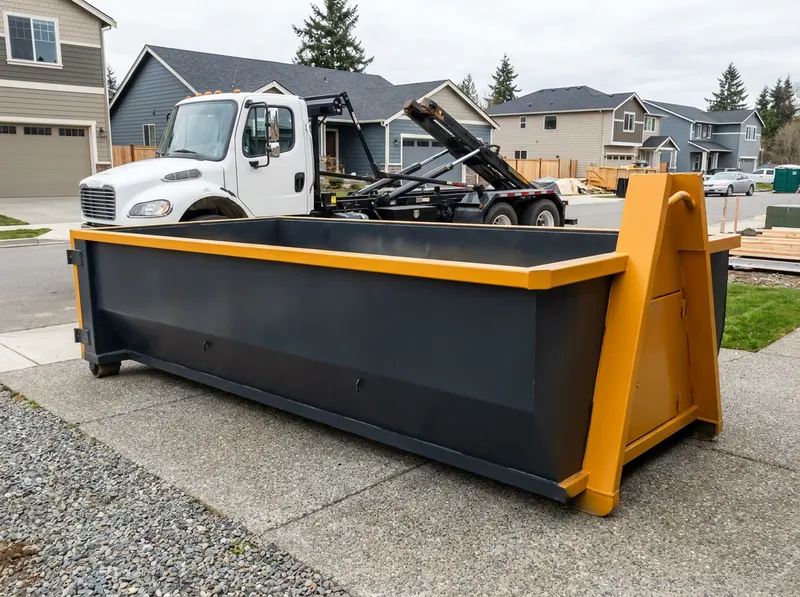
A construction and demolition dumpster differs from a standard junk pile-up: the debris is dense, mixed and often sharp, so sizing is driven by both volume and weight. A 10-yard roll-off holds roughly 4 pickup-truck loads and suits a single bathroom gut or a small deck tear-out; a 20-yard holds about 8 loads and fits a kitchen remodel or a two-room renovation; a 30-yard fits a full roof tear-off or a whole-house interior demo; and a 40-yard handles new construction framing scrap and large commercial strip-outs. If the job is a single-room cleanout, the 10-yard or 15-yard is the economical pick; if it is a roof tear-off generating heavy asphalt shingles, step up to the 30-yard, the trade-off is driveway or lane space versus how many haul trips you avoid. Roofing and concrete are the two loads that catch crews out, because both are heavy enough to hit a container's legal road weight before the box looks full. The U.S. Environmental Protection Agency reports that construction and demolition material made up over 600 million tons of debris in a recent year, roughly twice the volume of municipal trash, which is why C&D loads are weighed and regulated differently from household junk.
Step 1: call (425) 270-4066 or text a photo of the debris and the job scope. Step 2: the container size is matched to the material, framing and drywall go lighter and taller, concrete and roofing go heavier and lower. Step 3: the roll-off is dropped at the Seattle address, often same-day or next-day; plywood is placed under the wheels on finished driveways to protect the surface. Step 4: the crew loads it over the rental period. Step 5: a call or text brings the pickup, and the flat price already covers the dump run and disposal.
Placement matters more in Seattle's older neighborhoods than most crews expect. Narrow streets and alleys in Ballard, Fremont, Wallingford and Queen Anne often leave no room for a 40-yard box, so a 20-yard or 30-yard is the practical ceiling there; a container set on a public street rather than private property triggers a right-of-way permit from the City of Seattle, which the property owner or contractor arranges before drop-off. A dumpster rental is not junk removal, the container is dropped and the crew loads it themselves, which is what keeps the price flat and predictable. Certain materials stay out of every C&D box: asbestos, wet paint, solvents and other household hazardous waste must go to a King County hazardous waste facility instead, and clean dirt or concrete is sometimes best kept in its own container to control weight. Jobs in Columbia City, Rainier Valley, Greenwood, Capitol Hill and West Seattle all run on the same flat rate list, with no per-mile surcharge inside the service area.
Every job gets a firm, written price after an on-site visit.
Tell us about your construction & c&d dumpster rental job in Seattle and we'll send a clear, written quote, usually the same day.
 Payload Dumpster Rental